
Reflections
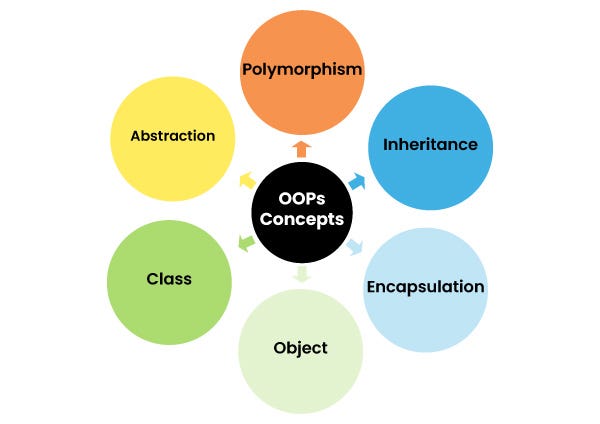
In EECS 2030, I learned object-oriented programming using Java. This course helped me understand important programming concepts such as classes, objects, methods, constructors, inheritance, encapsulation, polymorphism, interfaces, and code organization. Before taking this course, I understood programming mostly as writing instructions to solve a problem. Through EECS 2030, I began to understand how larger programs are designed, structured, and maintained.
This course connects strongly to my growth as a Computer Science student because object-oriented programming is one of the foundations of software development. Many real-world applications are not written as small scripts; they are built using organized, reusable, and maintainable code. EECS 2030 helped me connect programming theory to practical software design. It also connects to my COOP 2100 goals because becoming a better programmer requires critical thinking, problem-solving, communication, and the ability to explain how code works.
EECS 2030 made me a better programmer because it changed how I think about software. I learned that good programming is not only about making code run; it is also about making code clear, reusable, and easier to improve later. Learning Java and object-oriented programming helped me become more disciplined in how I design solutions. I became more aware of why structure matters, why naming and organization are important, and how breaking a problem into classes and methods can make complex programs easier to manage.
This course also helped me build confidence. At first, some concepts like inheritance and polymorphism felt difficult, but with practice, I started to see how they make programs more flexible. Going forward, I want to keep applying these concepts in my projects, co-op work, and future software development roles.
Competencies Demonstrated
- Problem Analysis
- Design
- Use of Engineering Tools
- Communication Skills
- Life-Long Learning
Reflection 2: Resume and Career Development
I created and updated a professional resume that highlights my education, co-op experience, internship experience, technical projects, and technical skills. My resume includes experience in AI solutions, information systems, machine learning, backend development, full-stack development, automation, cloud tools, and databases.
This connects to COOP 2100 because the course focuses on preparing students for professional co-op and career opportunities. A resume is not only a list of tasks; it is a professional document that communicates my value to employers. Building my resume also helped me reflect on how my different experiences connect to a broader career direction in software, AI, and automation.
Working on my resume helped me see that my strongest professional theme is practical problem-solving with technology. My experiences are not separate pieces; they connect through a common focus on building tools, improving workflows, supporting teams, and learning new technologies. I also learned that communication is important even in a resume because each bullet point must be clear, specific, and relevant to the reader. Going forward, I want to keep updating my resume as I gain new co-op experience, project results, and feedback.
Competencies Demonstrated
- Communication Skills
- Professionalism
- Life-Long Learning
- Use of Engineering Tools